Just How Elderly Beds Improve Security and Ease Of Access for Aging Individuals
Elderly beds play an essential function in enhancing safety and accessibility for maturing individuals. Their thoughtful design addresses usual difficulties faced by elders, such as wheelchair and stability. Features like flexible heights and assistance rails considerably decrease the danger of drops. These technologies not only provide convenience yet likewise foster a sense of independence. Discovering the particular aspects of elderly beds reveals just how they can transform living environments for the senior.
The Significance of Security in Elderly Living Spaces
Trick Features of Elderly Beds for Boosted Accessibility
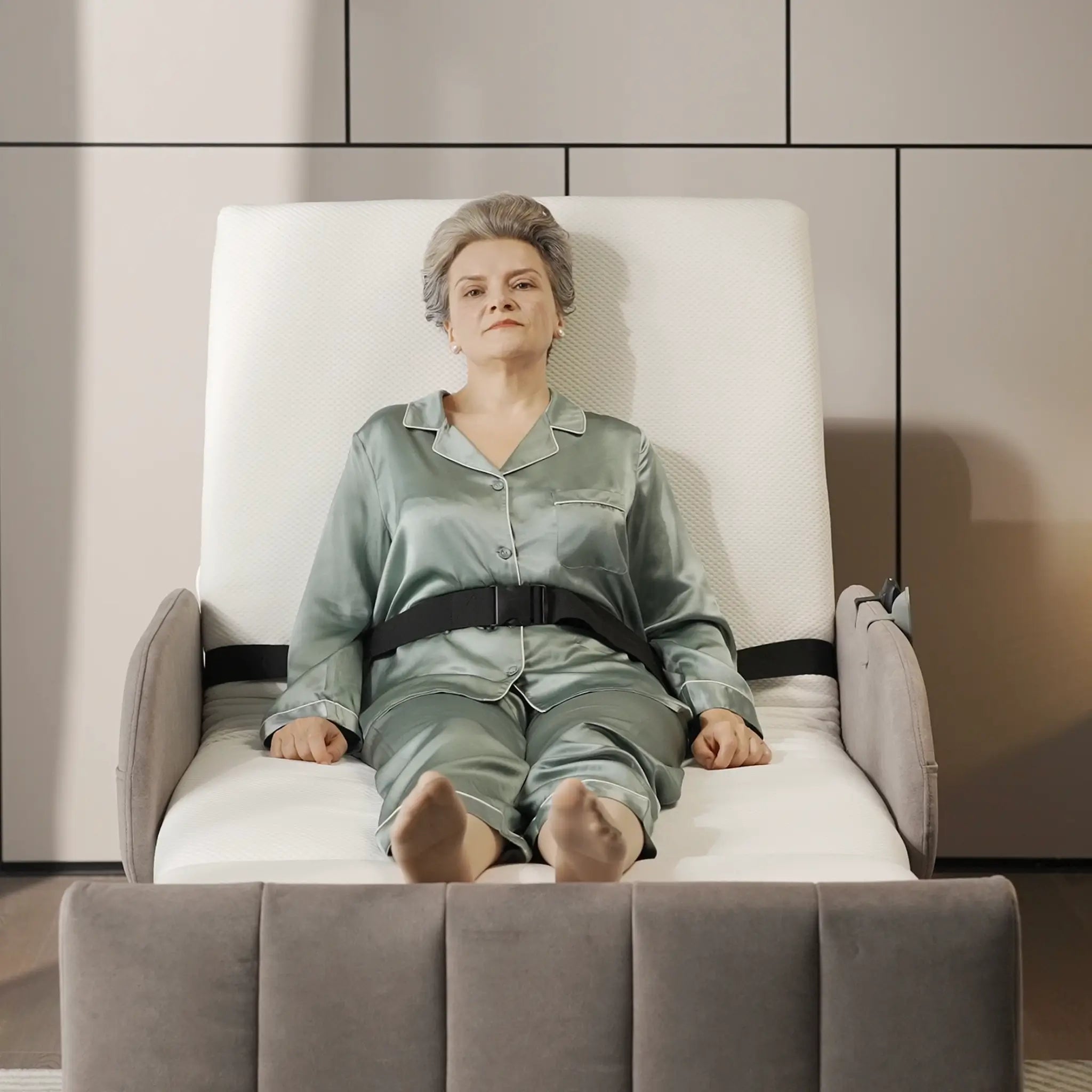
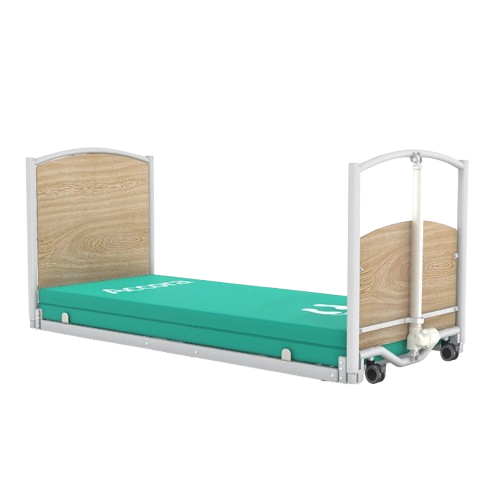
Accessibility is an important aspect of senior beds, designed to enhance the comfort and safety of aging people. Trick attributes consist of reduced bed elevations, which promote easier entry and exit, reducing the danger of falls. Adjustable side rails offer stability and assistance, allowing senior citizens to securely rearrange themselves. In addition, beds with integrated wheelchair aids, such as grab bars, additionally improve access. Some designs include cushion layouts that minimize stress factors, making sure a comfortable sleeping experience. Moreover, incorporated storage space services help maintain necessary products within reach, advertising self-reliance. In general, these attributes jointly aim to develop a much safer and much more easy to use setting, attending to the unique demands old people while enabling them to keep their dignity and freedom.
How Flexible Levels Promote Self-reliance
How can flexible bed elevations considerably enhance a senior's feeling of independence? Flexible beds allow senior citizens to customize their sleeping and relaxing positions, making it less complicated for them to get in and out of bed without aid. By raising or reducing the bed, people can locate their optimal elevation, decreasing pressure on muscle mass and joints. This adaptability empowers senior citizens to preserve control over their setting, fostering a sense of freedom. In addition, the capability to adjust the height can suit numerous health demands, such as recouping from surgery or managing chronic conditions. Therefore, elders are much less reliant on caregivers for everyday tasks, promoting confidence and improving their total quality of life. Eventually, adjustable bed heights function as an essential tool for fostering independence among aging people.
The Function of Support Bed Rails in Averting Falls
While many elders look for freedom in their day-to-day routines, the risk of falls continues to be a major problem. Support rails play an important function in improving safety within senior beds, offering a reliable means for individuals to stabilize themselves while getting in and out of bed. These rails offer a secure grasp, minimizing the chances of losing or slipping equilibrium. By giving senior citizens something to keep, support rails can greatly lower the chance of drops, which can bring about significant injuries. In addition, they can cultivate confidence and independence, allowing senior Website citizens to navigate their rooms with better convenience. Overall, the consolidation of support imprison senior beds is an efficient strategy in advertising security and accessibility for aging individuals.
Non-Slip Surfaces and Their Influence On Security

Regularly Asked Concerns
What Sorts of Materials Are Elderly Beds Generally Made From?
Elderly beds are commonly built from products such as wood, metal, and high-density foam. ezliftbed.com. These products offer longevity and support, ensuring comfort and security for users while suiting different security and access features
How Do Senior Beds Advantage Caregivers and Family Members Members?
Elderly beds profit caregivers and relative by reducing physical strain throughout patient care, boosting ease of flexibility, and providing comfort through improved security functions, enabling for extra effective and caring caregiving experiences.
Are Elderly Beds Customizable for Individual Needs?
Yes, elderly beds are commonly personalized to fulfill private requirements. Modifications can include height, suppleness, and added attributes like flexible positioning, guaranteeing comfort and support tailored to certain needs of the user.
What Is the Average Expense of a Senior Bed?
The average price of an elderly bed varieties from $500 to $3,000, depending on features and modification. Extra expenses may consist of devices and cushions, which can better affect the general investment needed for Continued optimal comfort.
Just How Can I Pick the Right Senior Bed for My Liked One?
Selecting the best elderly bed entails examining private needs, taking into consideration cushion firmness, bed height, security features, and convenience of usage. Consulting health care professionals can give useful insights customized to the liked one's particular wellness demands.
Senior beds play an essential function in enhancing safety and security and access for maturing people. Access is a crucial aspect of senior beds, made to improve the convenience and security of maturing individuals. Flexible beds enable elders to personalize their resting and resting settings, making it simpler for them to get in and out of bed without support. Support rails play an important role in boosting security within elderly beds, providing a trusted means for people to maintain themselves while getting in and out of bed. Picking the right senior bed involves evaluating individual demands, thinking about bed mattress firmness, bed elevation, safety functions, and convenience of use.
Comments on “Understanding the Value of an adjustable bed for seniors”